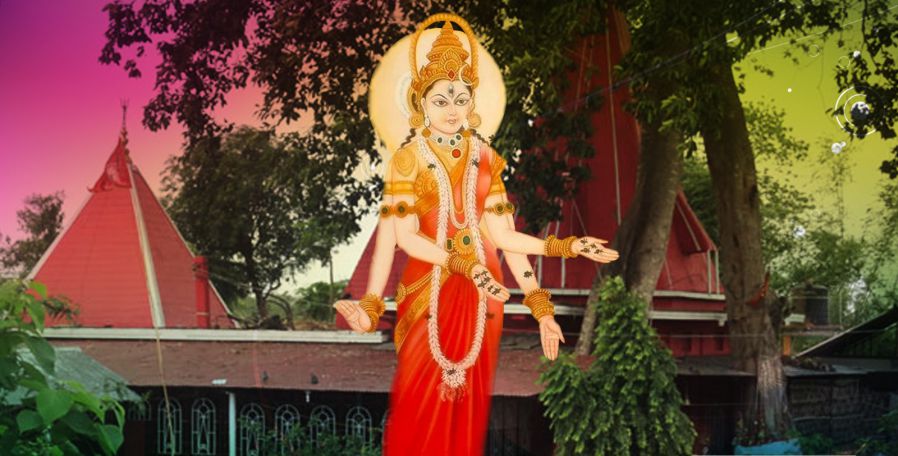
The Spiritual Significanceআধ্যাত্মিক তাৎপর্য
The Shakta vision, the descent of Sati, and the eternal grace of the Mother of the Three Rivers.শাক্ত দর্শন, সতীর অবতরণ এবং তিন নদীর জননীর চিরন্তন কৃপা।
The Shakta vision, the descent of Sati, and the eternal grace of the Mother of the Three Rivers.শাক্ত দর্শন, সতীর অবতরণ এবং তিন নদীর জননীর চিরন্তন কৃপা।
The Shakti Peethas are the sacred coordinates of the Goddess on the body of the earth — the places where, according to ancient Shakta tradition, parts of the body of Sati descended after her self-immolation, sanctifying the ground and binding the cosmos together through the Devi's eternal presence. শক্তিপীঠ হল পৃথিবীর দেহে দেবীর পবিত্র নির্দেশাঙ্ক — সেই সব স্থান যেখানে, প্রাচীন শাক্ত ঐতিহ্য অনুসারে, সতীর আত্মাহুতির পর তাঁর দেহের অংশগুলি অবতরণ করেছিল, যা ভূমিকে পবিত্র করেছে এবং দেবীর চিরন্তন উপস্থিতির মাধ্যমে বিশ্বকে একত্রে বেঁধে রেখেছে।
Across the great Tantric and Puranic compendia — the Devi Bhagavata, the Tantrachudamani, the Kalika Purana and others — the Peethas are enumerated as 51, 52, or 108, each with its own presiding Devi, its own attendant Bhairava, and its own distinctive geographical sign. মহান তান্ত্রিক ও পৌরাণিক গ্রন্থসমূহে — দেবী ভাগবত, তন্ত্রচূড়ামণি, কালিকা পুরাণ ও অন্যান্য — পীঠগুলি ৫১, ৫২ অথবা ১০৮ হিসেবে গণিত, প্রত্যেকটির নিজস্ব অধিষ্ঠাত্রী দেবী, নিজস্ব সঙ্গী ভৈরব ও নিজস্ব স্বতন্ত্র ভৌগোলিক চিহ্ন রয়েছে।
A Shakti Peeth is therefore far more than a temple. It is a living centre of cosmic energy, a node in the great mandala that the Goddess herself has drawn over the subcontinent. To stand at a Peeth is to stand at one of the points where, in the Shakta vision, the divine feminine continues to act upon the world. শক্তিপীঠ তাই কেবল একটি মন্দিরের চেয়ে অনেক বেশি। এটি মহাজাগতিক শক্তির এক জীবন্ত কেন্দ্র, সেই মহান মণ্ডলের একটি বিন্দু যা দেবী স্বয়ং উপমহাদেশের ওপর অঙ্কন করেছেন। পীঠে দাঁড়ানো মানে শাক্ত দর্শনে সেই বিন্দুগুলির একটিতে দাঁড়ানো যেখানে দিব্য নারীত্ব এখনও বিশ্বে কার্যকর।
In the most ancient layer of Shakta memory, Sati — daughter of Daksha Prajapati — chose Lord Shiva as her consort against her father's will. When Daksha later staged a great yajna and pointedly excluded Shiva, Sati attended the rite to confront her father's pride. Witnessing the insult heaped upon her Lord, she gave up her body in the sacrificial fire, choosing immolation over indignity. শাক্ত স্মৃতির প্রাচীনতম স্তরে, সতী — দক্ষ প্রজাপতির কন্যা — তাঁর পিতার ইচ্ছার বিরুদ্ধে ভগবান শিবকে স্বামীরূপে বরণ করেন। পরে দক্ষ যখন এক মহান যজ্ঞের আয়োজন করেন এবং উদ্দেশ্যপূর্ণভাবে শিবকে বাদ দেন, তখন সতী পিতার অহংকারের মুখোমুখি হতে সেই অনুষ্ঠানে যান। স্বামীর প্রতি অপমান প্রত্যক্ষ করে তিনি যজ্ঞের অগ্নিতে দেহ ত্যাগ করেন, অপমানের পরিবর্তে আত্মাহুতি বেছে নেন।
Shiva, when he learned of her death, was overcome with a grief that no being could behold. He lifted Sati's body upon his shoulders and began the cosmic Tandava — the dance whose tremors threatened the dissolution of the universe. তাঁর মৃত্যুর সংবাদ পেয়ে শিব এমন শোকে আচ্ছন্ন হন যা কোনো প্রাণী দেখতে পারে না। তিনি সতীর দেহকে কাঁধে তুলে নিয়ে মহাজাগতিক তাণ্ডব শুরু করেন — সেই নৃত্য যার কম্পন বিশ্বের প্রলয় ঘটাতে পারত।
To restore the rhythm of creation, Lord Vishnu released the Sudarshana Chakra, which gradually divided Sati's body. At every place where a portion of her descended, a Shakti Peeth was born — and the Devi remained there, eternally, as the unmoving witness of all who would seek her. সৃষ্টির ছন্দ পুনঃস্থাপনের জন্য ভগবান বিষ্ণু সুদর্শন চক্র ছেড়ে দেন, যা ক্রমে সতীর দেহকে বিভক্ত করে। যেখানে যেখানে তাঁর অংশ অবতরণ করে, সেখানে এক একটি শক্তিপীঠ জন্ম নেয় — এবং দেবী সেখানে চিরকালের জন্য অবস্থান করেন, যাঁরা তাঁকে অন্বেষণ করবেন তাঁদের সকলের অচল সাক্ষীরূপে।
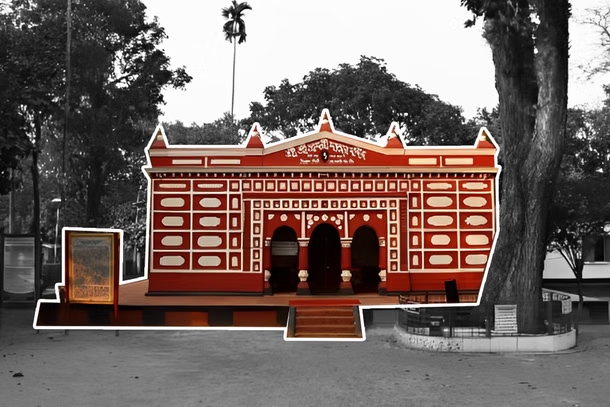
At Aparna Shakti Peeth, the part of the Devi that descended to the earth was her left ankle. In the Sanatana imagination, the foot and the ankle together carry profound symbolism — they are the limbs of movement, action, pilgrimage and grace. To touch the foot of the Devi is to receive the blessing of every step she takes through the universe. অপর্ণা শক্তিপীঠে দেবীর যে অংশ পৃথিবীতে অবতরণ করেছিল তা ছিল তাঁর বাম গুল্ফ। সনাতন কল্পনায়, পদ ও গুল্ফ একসাথে গভীর প্রতীকী অর্থ বহন করে — এরা গতি, কর্ম, তীর্থযাত্রা ও কৃপার অঙ্গ। দেবীর পদ স্পর্শ করা মানে বিশ্বের মধ্য দিয়ে তিনি যে প্রতিটি পদক্ষেপ নেন তার আশীর্বাদ লাভ করা।
That the ankle should fall here makes Aparna Shakti Peeth a particularly powerful seat for those who come on a journey — physical, spiritual, civilisational. The Goddess of the ankle is the Goddess of pilgrims; the Goddess who steadies the unsteady step; the Goddess who, even unseen, walks beside the seeker. এখানে গুল্ফ পতিত হওয়ার কারণে অপর্ণা শক্তিপীঠ যাঁরা যাত্রায় আসেন — শারীরিক, আধ্যাত্মিক, সভ্যতাগত — তাঁদের জন্য বিশেষভাবে শক্তিময় আসন। গুল্ফের দেবী তীর্থযাত্রীদের দেবী; যিনি অস্থির পদক্ষেপকে স্থির করেন; যিনি অদৃশ্য থেকেও সাধকের পাশে চলেন।
For this reason, generations of devotees have made the long journey to the Trisrota — convinced that the very motion that brought them here was already her blessing. এই কারণে, প্রজন্মের পর প্রজন্ম ভক্তরা ত্রিস্রোতার দীর্ঘ যাত্রা করেছেন — এই বিশ্বাসে যে যে গতি তাঁদের এখানে এনেছে সেটিই তাঁর আশীর্বাদ।
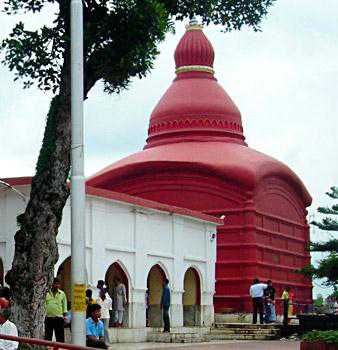
It is one of the original Peethas of the Sati cycle — placing it within the very mandala by which the Shakta universe is mapped.এটি সতী চক্রের মূল পীঠগুলির একটি — যা একে সেই মণ্ডলের অন্তর্ভুক্ত করে যার দ্বারা শাক্ত বিশ্ব অঙ্কিত।
The Devi's presence is not invoked here as memory; she is worshipped as resident — Aparna of unbreakable austerity and infinite grace.এখানে দেবীর উপস্থিতি স্মৃতি হিসেবে আহূত হয় না; তিনি অধিষ্ঠিতা রূপে পূজিতা — অভঙ্গ তপস্যা ও অসীম কৃপার অপর্ণা।
The natural confluence of three sacred rivers forms a living yantra around the temple — a cosmic geometry no human hand could build.তিন পবিত্র নদীর প্রাকৃতিক সঙ্গম মন্দিরের চারপাশে এক জীবন্ত যন্ত্র গঠন করে — এক মহাজাগতিক জ্যামিতি যা কোনো মানব হস্ত নির্মাণ করতে পারে না।
Each Peeth is guarded by a form of Bhairava. At Aparna Shakti Peeth, the protective consort is venerated as Bhairaveshwar — Lord of the sacred precinct.প্রতিটি পীঠ ভৈরবের এক রূপ দ্বারা রক্ষিত। অপর্ণা শক্তিপীঠে রক্ষাকর্তা সঙ্গী ভৈরবেশ্বর রূপে পূজিত — পবিত্র প্রাঙ্গণের অধিপতি।
For over a millennium, devotees have arrived continually at this site — sustaining one of the longest-living Shakta pilgrimages in the eastern subcontinent.এক সহস্রাব্দেরও বেশি সময় ধরে ভক্তরা এই স্থানে অবিরত আসছেন — পূর্ব উপমহাদেশের দীর্ঘতম-জীবিত শাক্ত তীর্থযাত্রার একটি টিকিয়ে রেখেছেন।
For Bengali Hindus on both sides of the modern frontier, Aparna Shakti Peeth is a bridge — a living shrine that no political map has ever truly divided.আধুনিক সীমান্তের উভয় পাশের বাঙালি হিন্দুদের জন্য অপর্ণা শক্তিপীঠ একটি সেতু — এক জীবন্ত মন্দির যা কোনো রাজনৈতিক মানচিত্র সত্যিকারে কখনও বিভক্ত করতে পারেনি।
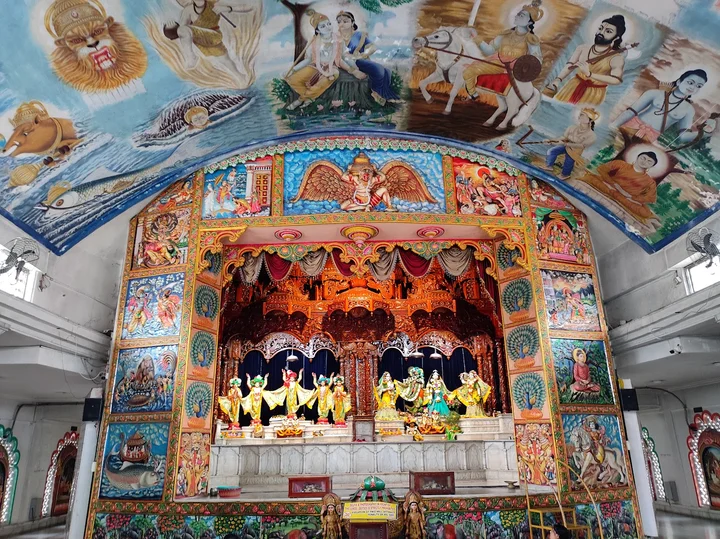
In the inner science of the Sanatana traditions, water is regarded as the most receptive of the elements — capable of holding the imprint of mantra, intention and divine presence. The meeting of rivers therefore amplifies and braids together the energies they carry. সনাতন ঐতিহ্যের অন্তর্বিজ্ঞানে, জলকে উপাদানগুলির মধ্যে সবচেয়ে গ্রহণশীল হিসেবে গণ্য করা হয় — মন্ত্র, সংকল্প ও দিব্য উপস্থিতির ছাপ ধারণ করতে সক্ষম। তাই নদীর মিলন সেগুলি বহন করা শক্তিগুলিকে বহুগুণ ও পরস্পর গাঁথে।
At Trisrota, the Karatoya brings the gravity of antiquity, the Yamuneshwari brings the very name of the Devi, and the Buri Teesta carries the cool austerity of the mountains. Their union creates a natural site of tirtha-shakti — a place where, simply by being present, the seeker enters a current already moving toward the divine. ত্রিস্রোতায় করতোয়া বহন করে প্রাচীনত্বের গাম্ভীর্য, যমুনেশ্বরী বহন করে দেবীর স্বয়ং নাম, এবং বুড়ি তিস্তা বহন করে পর্বতের শীতল তপস্যা। এদের মিলন সৃষ্টি করে তীর্থ-শক্তির এক প্রাকৃতিক স্থল — যেখানে কেবল উপস্থিত থেকেই সাধক ইতিমধ্যেই দিব্যের দিকে চলমান এক ধারায় প্রবেশ করেন।
Practitioners describe a perceptible quietening of mind on the temple grounds — the noisy edges of thought slowed by the sound of three waters and the gaze of the Goddess. সাধকরা বর্ণনা করেন মন্দির প্রাঙ্গণে মনের এক উপলব্ধিযোগ্য প্রশান্তি — তিন জলের ধ্বনি ও দেবীর দৃষ্টি দ্বারা চিন্তার কোলাহলপূর্ণ কিনারা শ্লথ হয়ে আসে।
The daily and seasonal life of the Trisrota Peeth is woven from a rich liturgy that has accumulated over centuries — drawing on Bengal's classical Shakta traditions, the household Devi worship of the surrounding villages, and the wider Tantric heritage of eastern India. ত্রিস্রোতা পীঠের দৈনিক ও ঋতুগত জীবন এক সমৃদ্ধ পূজাপদ্ধতি থেকে গঠিত যা শতাব্দীর পর শতাব্দী ধরে সঞ্চিত হয়েছে — বাংলার ধ্রুপদী শাক্ত ঐতিহ্য, পার্শ্ববর্তী গ্রামগুলির গৃহস্থ দেবী আরাধনা এবং পূর্ব ভারতের বৃহত্তর তান্ত্রিক উত্তরাধিকার থেকে গৃহীত।
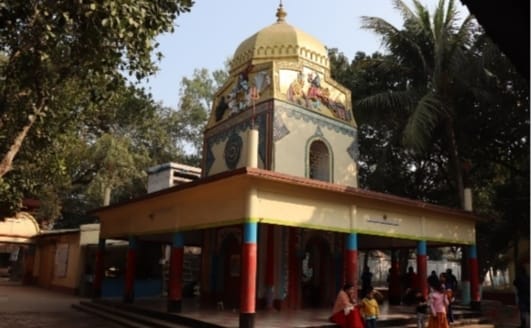
The Trisrota Peeth finds reference in several major Shakta and Puranic compendia. The Karatoya is praised in the Mahabharata as a river of supreme purification; the Brahma Vaivarta Purana evokes the sanctity of Bengal's eastern rivers; and the great Shakta enumeration of Peethas places this site within the original mandala of the Devi. ত্রিস্রোতা পীঠের উল্লেখ মেলে কয়েকটি প্রধান শাক্ত ও পৌরাণিক গ্রন্থে। মহাভারতে করতোয়াকে সর্বোচ্চ পবিত্রতার নদী হিসেবে প্রশংসা করা হয়েছে; ব্রহ্মবৈবর্ত পুরাণ বাংলার পূর্ব নদীগুলির পবিত্রতার কথা উল্লেখ করে; এবং পীঠসমূহের মহান শাক্ত গণনা এই স্থানকে দেবীর মূল মণ্ডলের অন্তর্ভুক্ত করে।
Local and regional manuscripts, ritual handbooks (karmakanda paddhatis) of Cooch Behar, and the oral lineage of priestly families all preserve the memory of Aparna Shakti Peeth as Aparna's seat — guarded by Bhairaveshwar, framed by the Trisrota, and watched over by an unbroken procession of the faithful. স্থানীয় ও আঞ্চলিক পাণ্ডুলিপি, কোচবিহারের আচারপুস্তক (কর্মকাণ্ড পদ্ধতি) এবং পুরোহিত পরিবারের মৌখিক ধারা সকলে অপর্ণা শক্তিপীঠকে অপর্ণার আসনরূপে সংরক্ষণ করেছে — ভৈরবেশ্বর রক্ষিত, ত্রিস্রোতা পরিবেষ্টিত, এবং বিশ্বস্তদের অবিচ্ছিন্ন শোভাযাত্রা দ্বারা প্রহরিত।
What scripture sets in language, the temple expresses in stone, water and silence. To visit Aparna Shakti Peeth is to encounter the Shakta tradition not as text, but as living presence. শাস্ত্র যা ভাষায় বর্ণনা করে, মন্দির তা প্রস্তর, জল ও নীরবতায় প্রকাশ করে। অপর্ণা শক্তিপীঠ ভ্রমণ মানে শাক্ত ঐতিহ্যকে গ্রন্থ হিসেবে নয়, বরং জীবন্ত উপস্থিতি হিসেবে অনুভব করা।