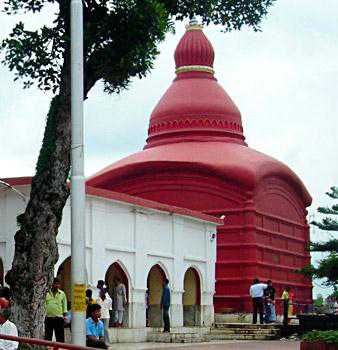
The Sacred Story of Aparna Shakti Peethঅপর্ণা শক্তিপীঠের পবিত্র কাহিনি
Where mythology, geography and history converge into a single living shrine.যেখানে পুরাণ, ভূগোল ও ইতিহাস মিলিত হয়ে এক জীবন্ত মন্দিরে রূপ নেয়।
Where mythology, geography and history converge into a single living shrine.যেখানে পুরাণ, ভূগোল ও ইতিহাস মিলিত হয়ে এক জীবন্ত মন্দিরে রূপ নেয়।
The Trisrota Sri Sri Aparna Shakti Peeth occupies a singular place in the sacred geography of the Indian subcontinent. Local memory, scriptural reference and archaeological remnants together suggest that a Devi shrine has stood at this site for well over a thousand years — its earliest known phase associated with the Pala dynasty (8th–12th century CE), when Buddhist and Shakta traditions flourished side by side across Bengal. ত্রিস্রোতা শ্রী শ্রী অপর্ণা শক্তিপীঠ ভারতীয় উপমহাদেশের পবিত্র ভূগোলে এক অনন্য স্থান অধিকার করে আছে। স্থানীয় স্মৃতি, শাস্ত্রীয় উল্লেখ ও প্রত্নতাত্ত্বিক নিদর্শন একত্রে নির্দেশ করে যে এই স্থানে এক হাজার বছরেরও বেশি সময় ধরে একটি দেবী মন্দির বিদ্যমান — এর প্রাচীনতম পরিচিত পর্যায়টি পাল রাজবংশের (অষ্টম–দ্বাদশ শতাব্দী) সাথে সম্পর্কিত, যখন বৌদ্ধ ও শাক্ত ঐতিহ্য বাংলার সর্বত্র পাশাপাশি বিকশিত হয়েছিল।
The temple was reconstructed in the seventeenth century by Maharaja Pran Narayan of Cooch Behar, a celebrated patron of Devi worship, who is credited with restoring several great Shakta seats across northern Bengal. His act of patronage gave Aparna Shakti Peeth its enduring architectural character and formalised its identity as a regional Peeth of the first order. সপ্তদশ শতাব্দীতে মন্দিরটি পুনর্নির্মাণ করেন কোচবিহারের মহারাজা প্রাণনারায়ণ, দেবী আরাধনার এক সুপ্রসিদ্ধ পৃষ্ঠপোষক, যাঁকে উত্তরবঙ্গের কয়েকটি মহান শাক্ত পীঠ পুনরুদ্ধারের কৃতিত্ব দেওয়া হয়। তাঁর পৃষ্ঠপোষকতা অপর্ণা শক্তিপীঠকে এর স্থায়ী স্থাপত্য চরিত্র দিয়েছে এবং একে এক প্রথম শ্রেণির আঞ্চলিক পীঠ হিসেবে আনুষ্ঠানিক পরিচিতি দিয়েছে।
Today, the shrine survives as one of the most important Hindu pilgrimage sites of Bangladesh — a custodian of cross-border devotion, civilisational continuity, and the unbroken worship of the Devi. আজ এই মন্দিরটি বাংলাদেশের অন্যতম গুরুত্বপূর্ণ হিন্দু তীর্থক্ষেত্র হিসেবে টিকে আছে — সীমান্ত-পার ভক্তি, সভ্যতাগত ধারাবাহিকতা ও দেবীর অবিচ্ছিন্ন আরাধনার রক্ষাকর্তা।
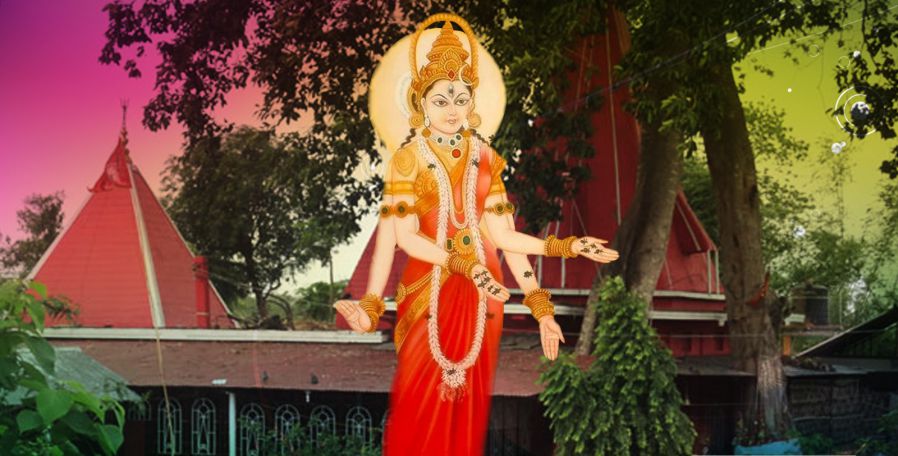
The name Trisrota — literally "three currents" — refers to the holy confluence of the Karatoya, the Yamuneshwari and the Buri Teesta. In Sanatana cosmology, the union of rivers is itself a tirtha; at Aparna Shakti Peeth, three sacred waters meet beneath the Devi's gaze, multiplying the spiritual potency of the ground. নামটি ত্রিস্রোতা — অর্থ "তিন ধারা" — বোঝায় করতোয়া, যমুনেশ্বরী ও বুড়ি তিস্তার পবিত্র সঙ্গম। সনাতন বিশ্বতত্ত্বে নদীর মিলন স্বয়ং একটি তীর্থ; অপর্ণা শক্তিপীঠে তিনটি পবিত্র জলধারা দেবীর দৃষ্টির নিচে মিলিত হয়, যা ভূমির আধ্যাত্মিক শক্তিকে বহুগুণ বাড়িয়ে তোলে।
In the pilgrim's understanding, the Trisrota is the liquid yantra of the Goddess — the Karatoya carrying the memory of ages, the Yamuneshwari bearing the name of Devi herself, and the Buri Teesta descending with the cold purity of the Himalayas. Together they form the natural mandala that frames the temple. তীর্থযাত্রীর বোধে, ত্রিস্রোতা দেবীর তরল যন্ত্র — করতোয়া যুগের স্মৃতি বহন করে, যমুনেশ্বরী স্বয়ং দেবীর নাম ধারণ করে, এবং বুড়ি তিস্তা হিমালয়ের শীতল পবিত্রতা নিয়ে নেমে আসে। একত্রে এরা প্রাকৃতিক মণ্ডল গঠন করে যা মন্দিরকে পরিবেষ্টন করে।
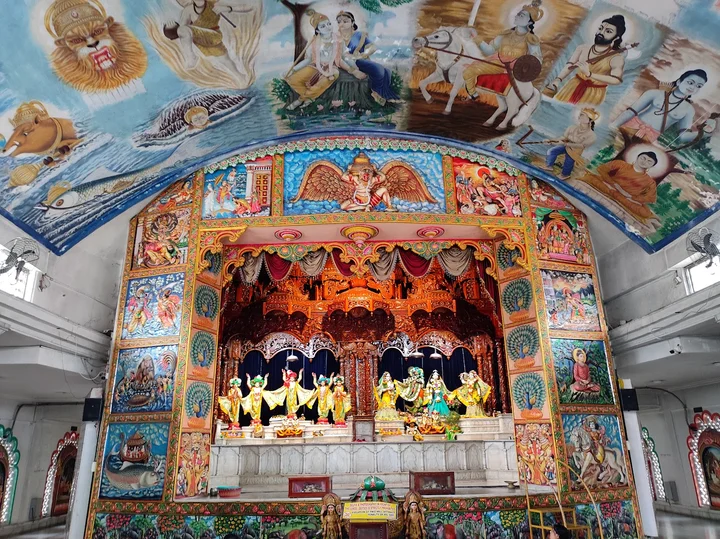
Panchagarh — "the land of five forts" — is the northernmost district of Bangladesh, bordered by Indian West Bengal and within easy reach of the foothills of the Himalayas. It is a region of tea gardens, riverine plains, ancient earthwork forts, and a quiet, deeply spiritual cultural memory. পঞ্চগড় — "পাঁচ গড়ের ভূমি" — বাংলাদেশের উত্তরতম জেলা, যা ভারতীয় পশ্চিমবঙ্গ দ্বারা সীমানাবদ্ধ এবং হিমালয়ের পাদদেশের সহজ নাগালে অবস্থিত। এটি চা-বাগান, নদীমাতৃক সমভূমি, প্রাচীন মৃৎ-গড় এবং এক শান্ত, গভীর আধ্যাত্মিক সাংস্কৃতিক স্মৃতির অঞ্চল।
For Hindus of Bangladesh, India and the wider South Asian diaspora, Panchagarh is forever inseparable from Aparna Shakti Peeth. The district carries on its soil one of the most sacred Devi seats of the entire subcontinent — and the temple, in turn, has shaped the cultural identity of the region across many centuries. বাংলাদেশ, ভারত এবং বৃহত্তর দক্ষিণ এশীয় প্রবাসী হিন্দুদের জন্য পঞ্চগড় চিরকাল অপর্ণা শক্তিপীঠ থেকে অবিচ্ছেদ্য। জেলাটি তার মাটিতে গোটা উপমহাদেশের অন্যতম পবিত্র দেবী আসনকে ধারণ করে — এবং মন্দিরও বহু শতাব্দী ধরে এই অঞ্চলের সাংস্কৃতিক পরিচয়কে রূপ দিয়েছে।
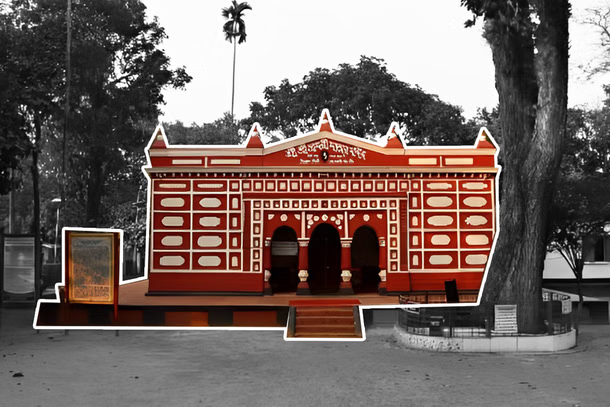
The Shakti Peethas trace their origin to the most foundational episode of Shakta mythology. When Sati — the consort of Mahadeva Shiva — immolated herself in the sacred fire at her father Daksha's yajna, Shiva, in unbearable grief, lifted her body and began the cosmic Tandava across the universe. শক্তিপীঠগুলির উৎস শাক্ত পুরাণের সবচেয়ে মূলগত কাহিনিতে নিহিত। যখন সতী — মহাদেব শিবের সহধর্মিণী — তাঁর পিতা দক্ষের যজ্ঞে পবিত্র অগ্নিতে আত্মাহুতি দেন, তখন অসহ্য শোকে শিব তাঁর দেহ তুলে নিয়ে বিশ্বজুড়ে মহাজাগতিক তাণ্ডব শুরু করেন।
To restore balance, Lord Vishnu's Sudarshana Chakra divided Sati's body, and at every place where a part of her descended, the earth itself was sanctified into a Shakti Peeth — a permanent throne of the Goddess. সাম্য পুনঃস্থাপনের জন্য ভগবান বিষ্ণুর সুদর্শন চক্র সতীর দেহকে বিভক্ত করে, এবং যেখানে যেখানে তাঁর অঙ্গ নেমে আসে, সেই ভূমি স্বয়ং একটি শক্তিপীঠে পরিণত হয় — দেবীর এক চিরস্থায়ী আসন।
Tradition holds that at the site of Trisrota Aparna Shakti Peeth, the left ankle (vamapadanguli) of the Devi fell to the earth. From that moment, the soil of Panchagarh was no longer ordinary — it became a living seat of the Mother, watched over by the ascetic form of Aparna and accompanied by the Bhairava Bhairaveshwar. ঐতিহ্য অনুসারে, ত্রিস্রোতা অপর্ণা শক্তিপীঠের স্থানে দেবীর বাম গুল্ফ (বামপদাঙ্গুলি) মাটিতে পতিত হয়। সেই মুহূর্ত থেকে পঞ্চগড়ের মাটি আর সাধারণ থাকে না — এটি মায়ের এক জীবন্ত আসন হয়ে ওঠে, অপর্ণার তপস্বী রূপে প্রহরায় এবং ভৈরব ভৈরবেশ্বরের সঙ্গে।
The fall of the ankle — the limb of movement, of action, of pilgrimage — gives Aparna Shakti Peeth its unique signature. The Devi here is invoked as the one who carries the seeker forward, who steadies the unsteady step, and who walks beside the pilgrim on every sacred road. গুল্ফের পতন — গতির অঙ্গ, কর্মের অঙ্গ, তীর্থযাত্রার অঙ্গ — অপর্ণা শক্তিপীঠকে তার অনন্য স্বাক্ষর প্রদান করে। এখানে দেবী আহূত হন তিনি, যিনি সাধককে এগিয়ে নিয়ে যান, যিনি অস্থির পদক্ষেপকে স্থির করেন, এবং যিনি প্রতিটি পবিত্র পথে তীর্থযাত্রীর পাশে চলেন।
The Devi worshipped at Aparna Shakti Peeth is Aparna — a luminous form of Mahadevi Durga revealed in the Puranic accounts of Parvati's tapasya. In her quest to obtain Lord Shiva, Parvati performed austerities of unimaginable severity, eventually renouncing even fallen leaves as nourishment. From this, she earned the name Aparna, "she who took not even a leaf." অপর্ণা শক্তিপীঠে পূজিত দেবী অপর্ণা — মহাদেবী দুর্গার এক দীপ্তিময় রূপ, যিনি পার্বতীর তপস্যার পৌরাণিক বিবরণে প্রকাশিত। ভগবান শিবকে লাভ করার জন্য পার্বতী অকল্পনীয় কঠোরতার তপস্যা করেছিলেন, অবশেষে আহাররূপে পতিত পাতাও বর্জন করেন। এ থেকে তিনি অর্জন করেন অপর্ণা নাম, "যিনি একটি পাতাও গ্রহণ করেননি।"
This form of the Goddess is venerated as the patroness of tapasya, courage, vrata and unwavering will. To approach Aparna is to enter the company of one who knows what it means to remain faithful through every season of doubt — and who therefore answers the prayers of the steadfast. দেবীর এই রূপ তপস্যা, সাহস, ব্রত ও অটল সংকল্পের পৃষ্ঠপোষক হিসেবে পূজিতা। অপর্ণার নিকটে যাওয়া মানে এমন এক সত্ত্বার সঙ্গে সঙ্গী হওয়া যিনি জানেন সংশয়ের প্রতিটি ঋতুতে বিশ্বস্ত থাকার অর্থ — এবং যিনি তাই অটল ভক্তের প্রার্থনার উত্তর দেন।
At Aparna Shakti Peeth, the daily liturgy and seasonal festivals revolve around her presence. Devotees come not only for blessings, but to be quietly reminded — in her gaze — of the dignity and sufficiency of the spiritual path. অপর্ণা শক্তিপীঠে দৈনিক পূজা ও ঋতুজনিত উৎসব তাঁর উপস্থিতিকে কেন্দ্র করে আবর্তিত হয়। ভক্তরা কেবল আশীর্বাদের জন্য নয়, বরং তাঁর দৃষ্টিতে — আধ্যাত্মিক পথের গরিমা ও পর্যাপ্ততা নীরবে স্মরণ করতে আসেন।
The earliest phase of the shrine is widely associated with the Pala dynasty, under whose patronage Bengal became one of the great cultural centres of the medieval world. Shakta and Buddhist tantric streams converged in this period, and Devi worship flourished at the rim of the Karatoya valley. মন্দিরের প্রাচীনতম পর্যায়টি ব্যাপকভাবে পাল রাজবংশের সাথে যুক্ত, যাঁদের পৃষ্ঠপোষকতায় বাংলা মধ্যযুগীয় বিশ্বের অন্যতম মহান সাংস্কৃতিক কেন্দ্রে পরিণত হয়। এই সময়কালে শাক্ত ও বৌদ্ধ তান্ত্রিক ধারাগুলি মিলিত হয়, এবং করতোয়া উপত্যকার সীমানায় দেবী আরাধনা বিকশিত হয়।
Through changing dynasties and political fortunes, Aparna Shakti Peeth endured as a regional Peeth of the Goddess. Pilgrims from across Bengal, Kamarupa and the Himalayan foothills continued to seek darshan at the Trisrota, sustaining the shrine through purely devotional means. পরিবর্তনশীল রাজবংশ ও রাজনৈতিক ভাগ্যের মধ্য দিয়ে, অপর্ণা শক্তিপীঠ দেবীর এক আঞ্চলিক পীঠ হিসেবে টিকে থেকেছে। বাংলা, কামরূপ ও হিমালয়ের পাদদেশ থেকে তীর্থযাত্রীরা ত্রিস্রোতায় দর্শনের জন্য আসতে থাকেন, কেবল ভক্তিমূলক উপায়ে মন্দিরকে টিকিয়ে রেখেছেন।
Maharaja Pran Narayan of Cooch Behar — a celebrated Shakta patron — undertook a major reconstruction of the temple. His patronage gave Aparna Shakti Peeth its enduring architectural identity and reaffirmed its standing as one of the most important Devi seats of northern Bengal. কোচবিহারের মহারাজা প্রাণনারায়ণ — একজন প্রসিদ্ধ শাক্ত পৃষ্ঠপোষক — মন্দিরের এক বৃহৎ পুনর্নির্মাণ গ্রহণ করেন। তাঁর পৃষ্ঠপোষকতা অপর্ণা শক্তিপীঠকে এর স্থায়ী স্থাপত্যিক পরিচয় দেয় এবং উত্তরবঙ্গের অন্যতম গুরুত্বপূর্ণ দেবী আসন হিসেবে এর অবস্থান পুনরায় নিশ্চিত করে।
Through colonial reorganisation, partition and the formation of modern Bangladesh, the Trisrota Peeth remained at the centre of Hindu cultural memory in the region — a quiet but enduring pole of devotion for communities on both sides of the new frontier. ঔপনিবেশিক পুনর্গঠন, বিভাজন এবং আধুনিক বাংলাদেশের গঠনের মধ্য দিয়ে, ত্রিস্রোতা পীঠ অঞ্চলের হিন্দু সাংস্কৃতিক স্মৃতির কেন্দ্রে থেকে গেছে — নতুন সীমান্তের উভয় পাশের সম্প্রদায়গুলির জন্য এক শান্ত কিন্তু স্থায়ী ভক্তি-কেন্দ্র।
In the present era, Aparna Shakti Peeth is being recognised anew as one of the great Hindu heritage sites of Bangladesh, drawing pilgrims, scholars and cultural ambassadors committed to its preservation and global awareness. বর্তমান যুগে, অপর্ণা শক্তিপীঠ বাংলাদেশের অন্যতম মহান হিন্দু ঐতিহ্য স্থল হিসেবে নতুন করে স্বীকৃত হচ্ছে, যা এর সংরক্ষণ ও বিশ্বব্যাপী সচেতনতার প্রতি প্রতিশ্রুতিবদ্ধ তীর্থযাত্রী, পণ্ডিত ও সাংস্কৃতিক রাষ্ট্রদূতদের আকর্ষণ করছে।
The renewal of Aparna Shakti Peeth is being shaped by a small circle of cultural ambassadors and Track-II diplomacy strategists, each bringing decades of nation-building, heritage and cross-border experience to the temple's mission.অপর্ণা শক্তিপীঠের নবজাগরণ একটি ছোট্ট বৃত্তের সাংস্কৃতিক রাষ্ট্রদূত ও ট্র্যাক-টু কূটনৈতিক কৌশলবিদদের দ্বারা গঠিত হচ্ছে, যাঁদের প্রত্যেকে দশকব্যাপী জাতি-গঠন, ঐতিহ্য ও সীমান্ত-পার অভিজ্ঞতা মন্দিরের অভিযানে নিয়ে আসছেন।