A Living Heritage of Bengalবাংলার এক জীবন্ত ঐতিহ্য
Pala antiquity, royal patronage, and the unbroken devotion of a riverine civilisation.পাল-প্রাচীনত্ব, রাজকীয় পৃষ্ঠপোষকতা এবং এক নদীমাতৃক সভ্যতার অবিচ্ছিন্ন ভক্তি।
Pala antiquity, royal patronage, and the unbroken devotion of a riverine civilisation.পাল-প্রাচীনত্ব, রাজকীয় পৃষ্ঠপোষকতা এবং এক নদীমাতৃক সভ্যতার অবিচ্ছিন্ন ভক্তি।
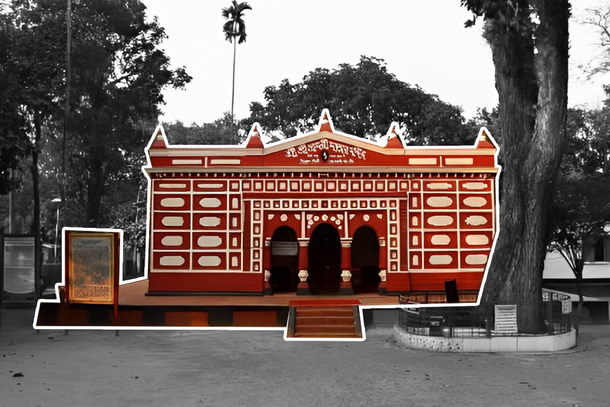
Panchagarh — literally "the land of five forts" — is one of the most historically layered districts of Bangladesh. Tucked between Indian West Bengal to the west and the Himalayan foothills to the north, it has been a meeting ground of empires, faiths and trade routes for nearly two millennia. পঞ্চগড় — আক্ষরিক অর্থে "পাঁচ গড়ের ভূমি" — বাংলাদেশের সবচেয়ে ঐতিহাসিকভাবে স্তরীভূত জেলাগুলির একটি। পশ্চিমে ভারতীয় পশ্চিমবঙ্গ ও উত্তরে হিমালয়ের পাদদেশের মাঝে অবস্থিত, এটি প্রায় দুই সহস্রাব্দ ধরে সাম্রাজ্য, বিশ্বাস ও বাণিজ্যপথের মিলনস্থল।
The district preserves the remains of ancient earthwork garhs, the cultural traces of the great Pala period, the architectural memory of Cooch Behar-era patronage, and a riverine landscape shaped by some of the oldest rivers of eastern India. এই জেলা প্রাচীন মৃৎ-গড়ের ধ্বংসাবশেষ, মহান পাল যুগের সাংস্কৃতিক চিহ্ন, কোচবিহার যুগের পৃষ্ঠপোষকতার স্থাপত্যিক স্মৃতি এবং পূর্ব ভারতের প্রাচীনতম কয়েকটি নদীর দ্বারা গঠিত নদীমাতৃক ভূদৃশ্য সংরক্ষণ করে।
Within this richly layered region, the Trisrota Aparna Shakti Peeth stands as the spiritual nucleus — a sacred centre that gathers the cultural memory of the entire surrounding plain into a single, continuous tradition of devotion. এই সমৃদ্ধভাবে স্তরীভূত অঞ্চলের মধ্যে, ত্রিস্রোতা অপর্ণা শক্তিপীঠ আধ্যাত্মিক কেন্দ্রবিন্দু হিসেবে দাঁড়িয়ে আছে — একটি পবিত্র কেন্দ্র যা চারপাশের সমগ্র সমভূমির সাংস্কৃতিক স্মৃতিকে এক একক, অবিচ্ছিন্ন ভক্তির ঐতিহ্যে একত্রিত করে।
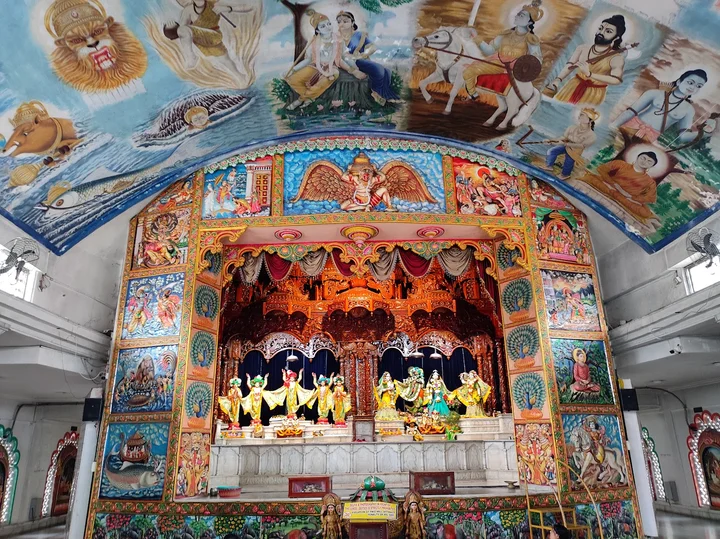
The temple traditions of ancient Bengal evolved over many centuries into one of the most distinctive religious cultures of the subcontinent — at once Shakta, Vaishnava and Tantric, and powerfully shaped by the riverine geography of the eastern plains. প্রাচীন বঙ্গের মন্দির ঐতিহ্যগুলি বহু শতাব্দী ধরে বিকশিত হয়ে উপমহাদেশের অন্যতম স্বতন্ত্র ধর্মীয় সংস্কৃতিতে পরিণত হয় — একই সঙ্গে শাক্ত, বৈষ্ণব ও তান্ত্রিক, এবং পূর্ব সমভূমির নদীমাতৃক ভূগোল দ্বারা শক্তিশালীভাবে গঠিত।
From the earliest Brahmanic settlements along the Karatoya, through the great Buddhist viharas of the Pala period, to the medieval Shakta resurgence under royal patronage, Bengal cultivated a uniquely sophisticated approach to the Devi — one that fused philosophical depth, artistic refinement and direct, household-level devotion. করতোয়ার তীরে প্রাচীনতম ব্রাহ্মণ্য বসতি থেকে, পাল যুগের মহান বৌদ্ধ বিহারের মধ্য দিয়ে, রাজকীয় পৃষ্ঠপোষকতায় মধ্যযুগীয় শাক্ত পুনরুত্থান পর্যন্ত, বাংলা দেবীর প্রতি এক অনন্য পরিশীলিত দৃষ্টিভঙ্গি গড়ে তোলে — যা দার্শনিক গভীরতা, শিল্পসুষমা ও সরাসরি, গৃহস্থ-পর্যায়ের ভক্তিকে একত্রিত করেছিল।
Aparna Shakti Peeth belongs unmistakably to this lineage. Its sanctum, its ritual structures, its mantric forms, its festival rhythms — all carry the unmistakable signature of Bengal's classical Shakta inheritance, brought into a uniquely riverine and trans-frontier setting at the Trisrota. অপর্ণা শক্তিপীঠ অনস্বীকার্যভাবে এই ধারার অন্তর্ভুক্ত। এর মন্দির, এর আচার-কাঠামো, এর মন্ত্র-রূপ, এর উৎসব-ছন্দ — সব কিছুই বাংলার ধ্রুপদী শাক্ত উত্তরাধিকারের অভ্রান্ত স্বাক্ষর বহন করে, যা ত্রিস্রোতার এক অনন্য নদীমাতৃক ও আন্তঃসীমান্ত পরিবেশে আনা হয়েছে।
The Pala dynasty (8th–12th century CE) was one of the most consequential ruling houses of medieval South Asia. Under the Palas, Bengal and its surrounding regions became the most refined cultural and intellectual centre of the eastern subcontinent — home to Nalanda, Vikramashila and other great seats of learning. পাল রাজবংশ (অষ্টম–দ্বাদশ শতাব্দী) ছিল মধ্যযুগীয় দক্ষিণ এশিয়ার অন্যতম গুরুত্বপূর্ণ শাসকবংশ। পালদের অধীনে, বাংলা ও তার পার্শ্ববর্তী অঞ্চলগুলি পূর্ব উপমহাদেশের সবচেয়ে পরিশীলিত সাংস্কৃতিক ও বৌদ্ধিক কেন্দ্রে পরিণত হয় — নালন্দা, বিক্রমশীলা এবং অন্যান্য মহান শিক্ষাকেন্দ্রের আবাসস্থল।
Pala patronage extended generously to both Buddhist and Hindu institutions. Devi worship flourished alongside Tantric Buddhism, and many of Bengal's most enduring Shakti seats trace their formal recognition to this period. পাল পৃষ্ঠপোষকতা বৌদ্ধ ও হিন্দু উভয় প্রতিষ্ঠানের প্রতি উদারভাবে প্রসারিত ছিল। তান্ত্রিক বৌদ্ধধর্মের পাশাপাশি দেবী আরাধনা বিকশিত হয়, এবং বাংলার অনেক স্থায়ী শক্তি আসন এই সময়কাল থেকে তাদের আনুষ্ঠানিক স্বীকৃতি লাভ করে।
Tradition holds that the original ground of Aparna Shakti Peeth was consecrated and patronised during the Pala age — its earliest sanctum reflecting the architectural and ritual sensibilities of that singularly creative civilisation. ঐতিহ্য অনুসারে, অপর্ণা শক্তিপীঠের মূল ভূমি পাল যুগে পবিত্রীকৃত ও পৃষ্ঠপোষিত হয়েছিল — এর প্রাচীনতম মন্দির সেই অনন্য সৃজনশীল সভ্যতার স্থাপত্যিক ও আচার-সংবেদনশীলতাকে প্রতিফলিত করে।
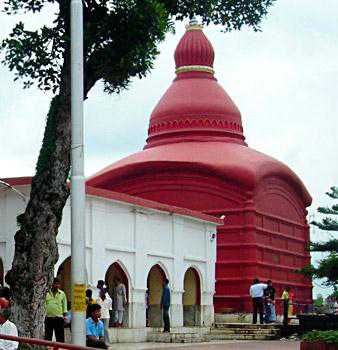
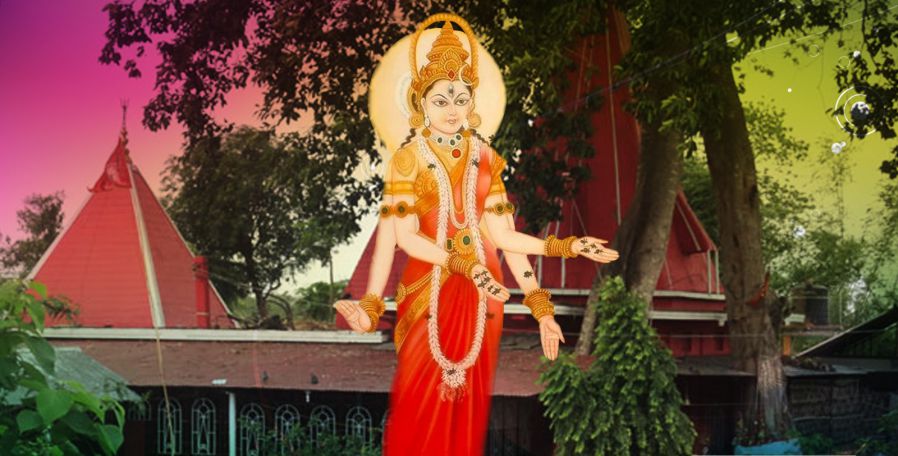
In the seventeenth century, Maharaja Pran Narayan of Cooch Behar — one of the most celebrated Shakta patrons of his era — undertook a major restoration of the Trisrota Peeth. He was a king known across northern Bengal and the Himalayan kingdoms for his deep devotion to the Devi and for his tireless support of pilgrimage sites. সপ্তদশ শতাব্দীতে, কোচবিহারের মহারাজা প্রাণনারায়ণ — তাঁর যুগের অন্যতম প্রসিদ্ধ শাক্ত পৃষ্ঠপোষক — ত্রিস্রোতা পীঠের এক বৃহৎ পুনরুদ্ধার গ্রহণ করেন। তিনি ছিলেন উত্তরবঙ্গ ও হিমালয় রাজ্যজুড়ে দেবীর প্রতি গভীর ভক্তি এবং তীর্থস্থানের প্রতি অক্লান্ত সমর্থনের জন্য পরিচিত এক রাজা।
Under Pran Narayan's patronage, the temple was rebuilt with renewed structural integrity, its rites reorganised under qualified priests, and its standing as a regional Peeth of the first rank affirmed and protected. His reconstruction effort gave Aparna Shakti Peeth the architectural and liturgical character that it carries to this day. প্রাণনারায়ণের পৃষ্ঠপোষকতায় মন্দিরটি নবায়িত কাঠামোগত সুদৃঢ়তার সঙ্গে পুনর্নির্মিত হয়, এর আচার যোগ্য পুরোহিতদের অধীনে পুনঃসংগঠিত হয়, এবং প্রথম শ্রেণির আঞ্চলিক পীঠ হিসেবে এর অবস্থান নিশ্চিত ও সুরক্ষিত হয়। তাঁর পুনর্নির্মাণ-প্রচেষ্টা অপর্ণা শক্তিপীঠকে সেই স্থাপত্যিক ও পূজা-চরিত্র দিয়েছে যা এটি আজও বহন করে।
For pilgrims and historians, Pran Narayan's intervention is the defining bridge that carried the Pala-era sanctum forward into the modern age — a continuity that no other Devi seat in this region preserves with equal clarity. তীর্থযাত্রী ও ঐতিহাসিকদের কাছে, প্রাণনারায়ণের হস্তক্ষেপই হল সেই নির্ণায়ক সেতু যা পাল-যুগের মন্দিরকে আধুনিক যুগে এগিয়ে নিয়ে এসেছে — এমন এক ধারাবাহিকতা যা এই অঞ্চলের অন্য কোনো দেবী আসন সমান স্পষ্টতায় সংরক্ষণ করে না।
Praised in the Mahabharata and the Brahma Vaivarta Purana, the Karatoya is among the most ancient sacred rivers of the eastern subcontinent — long associated with the rise of classical Brahmanic civilisation in this region.মহাভারত ও ব্রহ্মবৈবর্ত পুরাণে প্রশংসিত, করতোয়া পূর্ব উপমহাদেশের প্রাচীনতম পবিত্র নদীগুলির একটি — এই অঞ্চলে ধ্রুপদী ব্রাহ্মণ্য সভ্যতার উত্থানের সঙ্গে দীর্ঘকাল যুক্ত।
A river named after the Devi herself — the "Mistress of the Yamuna current." Its quiet flow encircles the Aparna Shakti Peeth precinct and shapes the sacred geography of Panchagarh.দেবীর নামেই নামাঙ্কিত এক নদী — "যমুনার ধারার অধিষ্ঠাত্রী"। এর শান্ত প্রবাহ অপর্ণা শক্তিপীঠ প্রাঙ্গণকে পরিবেষ্টন করে এবং পঞ্চগড়ের পবিত্র ভূগোলকে রূপ দেয়।
The "ancient Teesta" — once the primary Teesta channel of northern Bengal. Its waters carry the memory of the Himalayas, joining the Karatoya and Yamuneshwari at the temple's threshold."প্রাচীন তিস্তা" — একসময় উত্তরবঙ্গের প্রধান তিস্তা প্রবাহ। এর জল হিমালয়ের স্মৃতি বহন করে, মন্দিরের দ্বারপ্রান্তে করতোয়া ও যমুনেশ্বরীর সঙ্গে মিলিত হয়।
Bangladesh is home to a profoundly rich and ancient Hindu heritage. From the great Shakti Peethas of the Sati cycle, to the Vaishnava centres of the medieval Bhakti movement, to the Kali temples that dot the riverine countryside, the country preserves some of the oldest continuously living Hindu sacred sites in the subcontinent. বাংলাদেশ এক গভীর সমৃদ্ধ ও প্রাচীন হিন্দু ঐতিহ্যের আবাসস্থল। সতী চক্রের মহান শক্তিপীঠ থেকে, মধ্যযুগীয় ভক্তি আন্দোলনের বৈষ্ণব কেন্দ্র, নদীমাতৃক গ্রামাঞ্চলে ছড়িয়ে থাকা কালী মন্দির পর্যন্ত, এই দেশ উপমহাদেশের প্রাচীনতম অবিরত জীবন্ত হিন্দু পবিত্র স্থানগুলির কয়েকটি সংরক্ষণ করে।
Within this constellation, Aparna Shakti Peeth occupies a distinctive position. It is one of the most ancient — and one of the most spiritually significant — surviving Devi seats in the country. For Hindus of Bangladesh, India, and the wider South Asian diaspora, it is at once a place of personal devotion and a touchstone of shared civilisational memory. এই নক্ষত্রপুঞ্জের মধ্যে অপর্ণা শক্তিপীঠ এক স্বতন্ত্র অবস্থান অধিকার করে আছে। এটি দেশটির অন্যতম প্রাচীনতম — এবং অন্যতম আধ্যাত্মিকভাবে তাৎপর্যপূর্ণ — টিকে থাকা দেবী আসন। বাংলাদেশ, ভারত ও বৃহত্তর দক্ষিণ এশীয় প্রবাসী হিন্দুদের কাছে এটি একই সঙ্গে ব্যক্তিগত ভক্তির স্থান এবং অভিন্ন সভ্যতাগত স্মৃতির স্পর্শপাথর।
The temple's ongoing renewal is, in many ways, a renewal of this entire trans-frontier heritage — a quiet reaffirmation that what was sacred in this land remains sacred, and that the Devi has never left. মন্দিরের চলমান নবজাগরণ অনেক দিক থেকে এই সমগ্র আন্তঃসীমান্ত ঐতিহ্যের পুনঃনবায়ন — এক নীরব পুনঃনিশ্চিতি যে এই ভূমিতে যা পবিত্র ছিল তা পবিত্রই রয়েছে, এবং দেবী কখনও চলে যাননি।
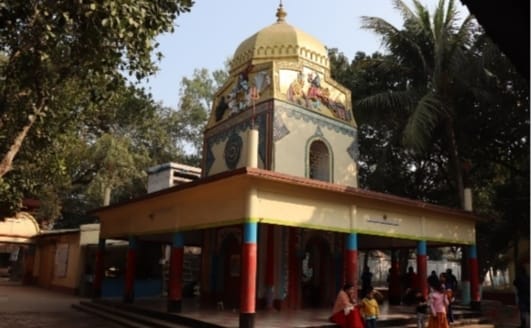
Sensitive structural conservation of the historical fabric of the temple, undertaken in consultation with heritage architects and traditional craftspeople.ঐতিহ্য-স্থপতি ও ঐতিহ্যবাহী কারিগরদের পরামর্শে গৃহীত মন্দিরের ঐতিহাসিক কাঠামোর সংবেদনশীল সংরক্ষণ।
Continued support to the priestly lineage that has maintained the daily and seasonal liturgy of the Devi over many generations.যে পুরোহিত-পরম্পরা বহু প্রজন্ম ধরে দেবীর দৈনিক ও ঋতুগত পূজা বজায় রেখেছেন তাঁদের প্রতি অব্যাহত সমর্থন।
Systematic documentation of inscriptions, oral traditions, ritual texts and pilgrim memory associated with the Trisrota Peeth.ত্রিস্রোতা পীঠের সঙ্গে সম্পর্কিত শিলালিপি, মৌখিক ঐতিহ্য, আচার-গ্রন্থ ও তীর্থযাত্রী-স্মৃতির পদ্ধতিগত নথিভুক্তকরণ।
Bringing the unique civilisational significance of Aparna Shakti Peeth into the global heritage conversation through publications, exhibitions and cultural diplomacy.প্রকাশনা, প্রদর্শনী ও সাংস্কৃতিক কূটনীতির মাধ্যমে অপর্ণা শক্তিপীঠের অনন্য সভ্যতাগত তাৎপর্যকে বিশ্ব ঐতিহ্যের আলোচনায় নিয়ে আসা।
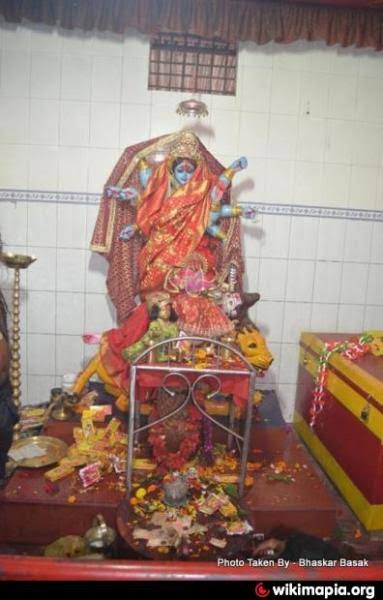
The Trisrota Aparna Shakti Peeth has, for many centuries, been a pilgrimage shared by communities living on what are now both sides of the India–Bangladesh border. The shrine's sanctity does not begin or end at any line drawn on a modern map — it belongs to the older, deeper geography of the Devi. ত্রিস্রোতা অপর্ণা শক্তিপীঠ বহু শতাব্দী ধরে এমন এক তীর্থযাত্রা যা এখন ভারত–বাংলাদেশ সীমান্তের উভয় পাশে বসবাসকারী সম্প্রদায়গুলি ভাগ করে নিয়েছে। মন্দিরের পবিত্রতা আধুনিক মানচিত্রে আঁকা কোনো রেখায় শুরু বা শেষ হয় না — এটি দেবীর প্রাচীনতর, গভীরতর ভূগোলের অন্তর্ভুক্ত।
For Bengali Hindus across the subcontinent, Aparna Shakti Peeth remains an emblem of cultural continuity — a quiet reminder that civilisational bonds, especially those mediated by sacred sites, can outlast political reorganisation, partition and time itself. উপমহাদেশজুড়ে বাঙালি হিন্দুদের কাছে অপর্ণা শক্তিপীঠ সাংস্কৃতিক ধারাবাহিকতার এক প্রতীক — এক নীরব স্মারক যে সভ্যতাগত বন্ধন, বিশেষত পবিত্র স্থানের মাধ্যমে গঠিত, রাজনৈতিক পুনর্গঠন, বিভাজন এবং কালকেও অতিক্রম করতে পারে।
Reawakening this cross-border pilgrimage — through Track-II diplomacy, scholarly exchange and respectful, well-coordinated visitation — is one of the central commitments of the temple's contemporary stewardship. এই সীমান্ত-পার তীর্থযাত্রাকে পুনর্জাগরিত করা — ট্র্যাক-টু কূটনীতি, পাণ্ডিত্যপূর্ণ আদান-প্রদান এবং শ্রদ্ধাপূর্ণ, সুসংগঠিত ভ্রমণের মাধ্যমে — মন্দিরের সমকালীন তত্ত্বাবধানের কেন্দ্রীয় প্রতিশ্রুতিগুলির একটি।